Strengthening trust in a changing research landscape
Note from Antonia Seymour, Chief Executive Officer – IOP Publishing
Looking back on 2025, it is clear we have reached a pivotal point for scholarly communication. The pressures acting on the research ecosystem are intensifying and the decisions we make now as publishers, funders, institutions and societies will shape the credibility and resilience of science for years to come.
There is a growing emphasis for publishing to be guided by purpose and values that always put the needs of the research community first. As a society publisher, and a founding member of the Purpose-Led Publishing coalition, we already work in this way. Our publishing activity exists purely to serve science and the funds we generate are reinvested into the scientific community. This highlights report shows how that purpose has shaped our work throughout 2025.
Generative AI has the potential to be transformative, enabling discovery and streamlining editorial and publishing workflows. But it has also created vulnerabilities. The speed at which unreliable or artificially generated content is now being submitted is greater than anything we have previously had to address. As you will see from this report, we have continued to strengthen the way we respond, and the work of our editorial and peer review teams has been central to maintaining confidence and trust in a changing landscape.
We continue to make our content open access, with 51% of our journal content in 2025 published as open access. The direction is positive, but the transition is unfolding at different speeds around the world. National policies, funding landscapes and research priorities all influence how quickly researchers can adopt open access routes and the pace has begun to slow after several years of stronger growth. We remain focused on supporting researchers and institutions as they navigate their own paths toward greater openness. The examples throughout this report reflect that commitment.
While the value of equity, diversity and inclusion is being questioned in some quarters, our stance remains clear. Inclusivity strengthens science, supporting its reliability, creativity and relevance. Some examples of the ways we are helping to create space for a broader range of perspectives are outlined in this report.
What 2025 has made clear is that adaptability, transparency and purpose must guide how our sector as it evolves. We need to address emerging risks with collective focus and to champion our values and beliefs even when they are contested. I remain optimistic. Across the scientific community there is a willingness to confront difficult questions and a determination to protect the credibility of the research record and a shared belief in the essential role that science plays in society. That is the foundation we will build on and I hope you enjoy reading about some of the progress we have made.

51%of journal articles published open access.
35,674total number of articles published in 2025.
89 milliontotal number of article downloads from IOPscience in 2025 (including conference series).
100%
of article publication charge income collected from retracted papers donated to Research4Life.
4000+reviewers awarded Trusted Reviewer Status in 2025.
36%reduction in carbon emissions since 2020.
74%
reduction in emissions from outbound logistics for Physics World.
Publishing highlights
As a society-owned scientific publisher we provide impact, recognition and value for the scientific community. We continue to build on our product portfolio, which includes over 100 open access and hybrid journals covering all physical sciences areas and beyond.
2025 saw the publication of the first content in four new OA journals that cover some of the most active areas of machine learning and environmental science. The addition of Machine Learning: Earth, Machine Learning: Engineering, Machine Learning: Health and Environmental Research: Water strengthen our reputation for publishing excellence in rapidly evolving cross‑disciplinary fields
Together with our partner, the Institute of Physics and Engineering in Medicine, we launched a new gold open access biomedical journal and transferred one of their existing journals to our platform. This strengthened collaboration and enhances our ability to support the biomedical community with even more high‑quality, accessible research.
We also launched the new Progress In series research highlights site, providing a new post‑publication service designed to maximise the reach and accessibility of cutting‑edge science. This platform offers authors enhanced visibility for their work and strengthens our commitment to supporting research impact beyond the article itself.
New AI journal
Through our valued partnership with the Songshan Lake Materials Laboratory, we launched AI for Science, a new diamond open access journal. The journal features high-impact original research, reviews and perspectives that highlight the transformative applications of artificial intelligence (AI) in driving scientific innovation.

Ebooks
In 2025, we added 88 new ebook titles to our ebook portfolio, and overall IOPP ebooks were downloaded 1.4 million times.
Celebrating the International Year of Quantum
2025 was the International Year of Quantum Science and Technology. The Institute of Physics (IOP) and IOP Publishing (IOPP) led a year-long programme of events, curating content and resources to showcase the field and its significance. Learn more.
Conference Series
The publication of early-stage research through our proceedings journals remains critical to our mission. In 2025, we published over 16,000 open access proceedings papers, representing 370 conferences from 57 countries. Proceedings were downloaded over 247,000 times.
23%The Physics World website had 5.6 million pageviews in 2025, 23% more than in 2024
95,588people have now created an account on the Physics World website
4.7m4.7 million people listened to Physics World Podcasts
143,000Since its launch in 2025, the Physics World Jobs Hub has attracted over 143,000 page views
Our global reach
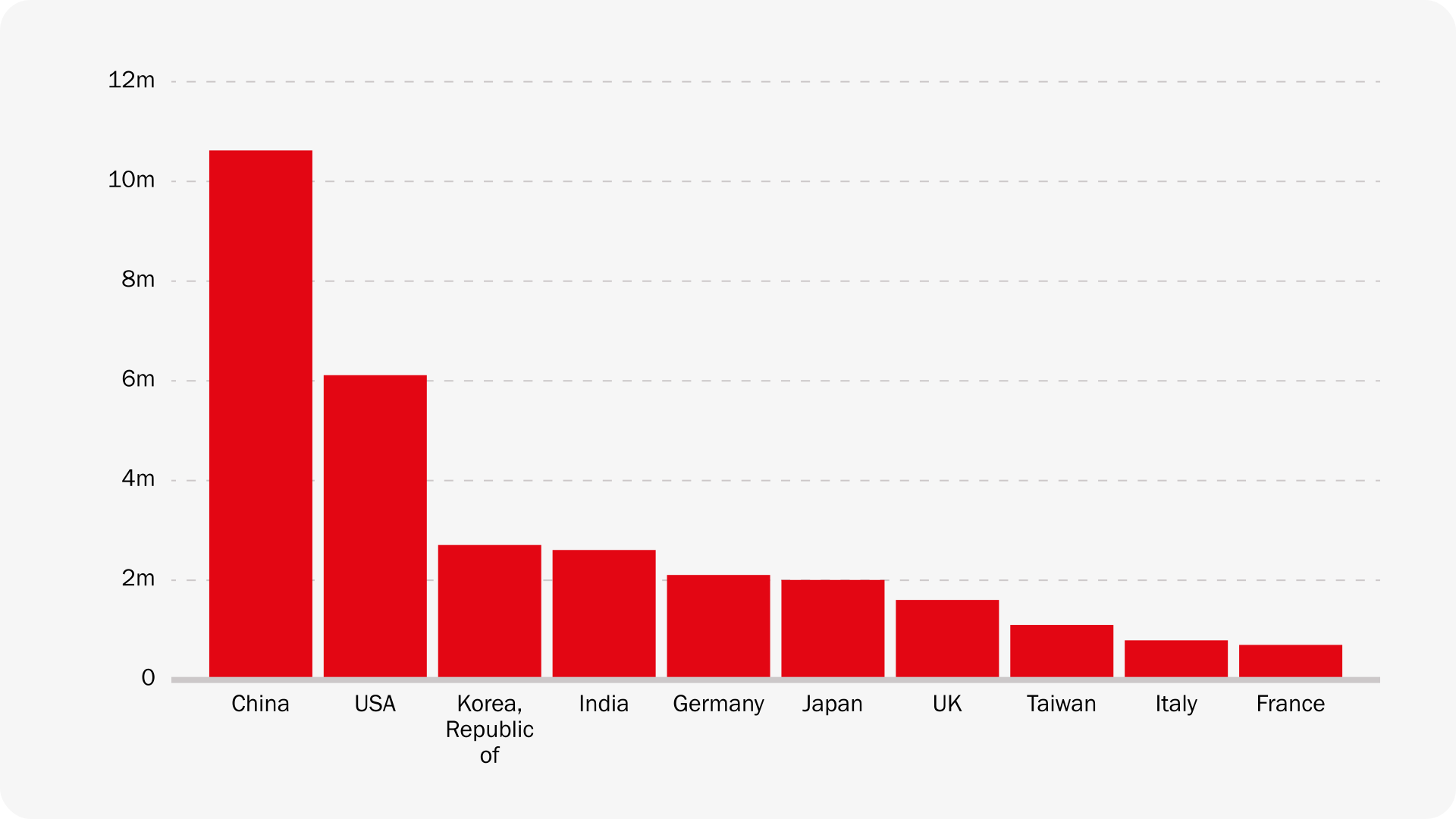
Top 10 countries / regions by article downloads (registered users only)
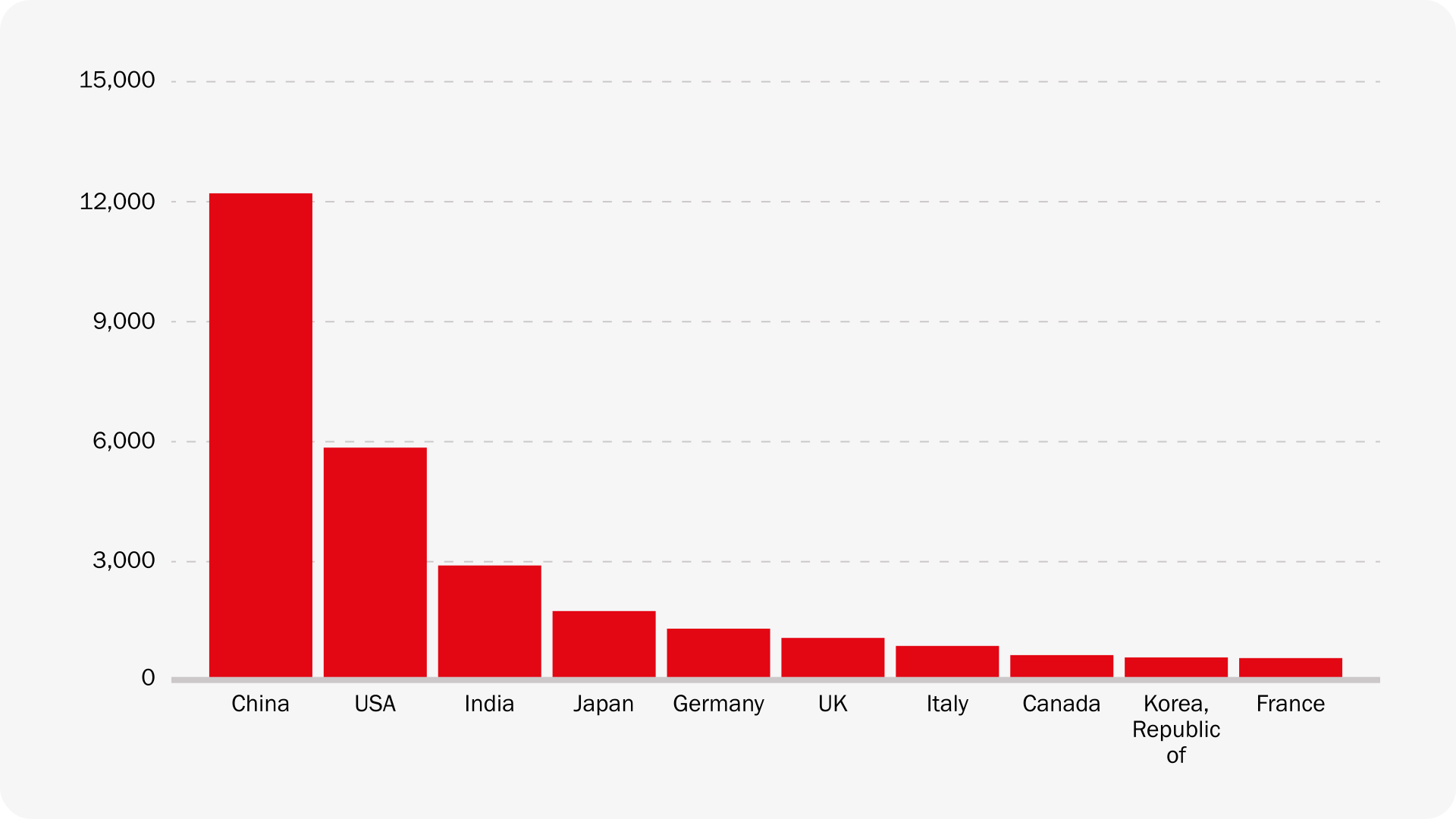
Number of articles published by top 10 countries / regions in all our journals (registered users only)
Usage of our journals grew by 4% to 89 million downloads, showing that our content is valuable to more people than ever.

Impact and recognition
We recognise and celebrate the vital contributions researchers make to advancing the physical sciences through a wide range of awards, prizes, sponsorships and promotional and community‑driven activities.
One of the ways we recognise the top one percent of most‑cited papers across our proprietary journals is to celebrate their research and how it has shaped and influenced the scientific landscape in 2025. Learn more.
We also honoured exceptional peer reviewers whose thoughtful, timely and high‑quality reports uphold the integrity of our journals. Selected from more than 35,000 reviewers, these awardees exemplify the vital role of peer review in advancing science. Learn more.

Publishing Nobel Prize winning research
We were proud to see IOP Fellow John Clarke FInstP FRS, together with Michel Devoret and John Martinis, awarded the 2025 Nobel Prize in Physics for their pioneering contributions to quantum science. Much of their influential work, along with that of many others in the field, has been published with us, making this recognition particularly special in the International Year of Quantum Science and Technology. Learn more.
Supporting the future of AI‑enabled research
To support our community and advance the rapidly evolving field of AI‑enabled research, we continue to create opportunities for scientists to share insights, connect across disciplines and explore emerging technologies. Together with Fudan University, we convened global experts for a one‑day workshop examining how machine learning and AI are transforming the physical sciences. Building on this, and in partnership with the World Young Scientists Summit, we launched Machine Learning for Science 2025—a free, two‑day hybrid conference bringing together leading scientists, early‑career researchers and industry voices to explore the future of AI‑enabled discovery. Learn more.
That Published Feeling
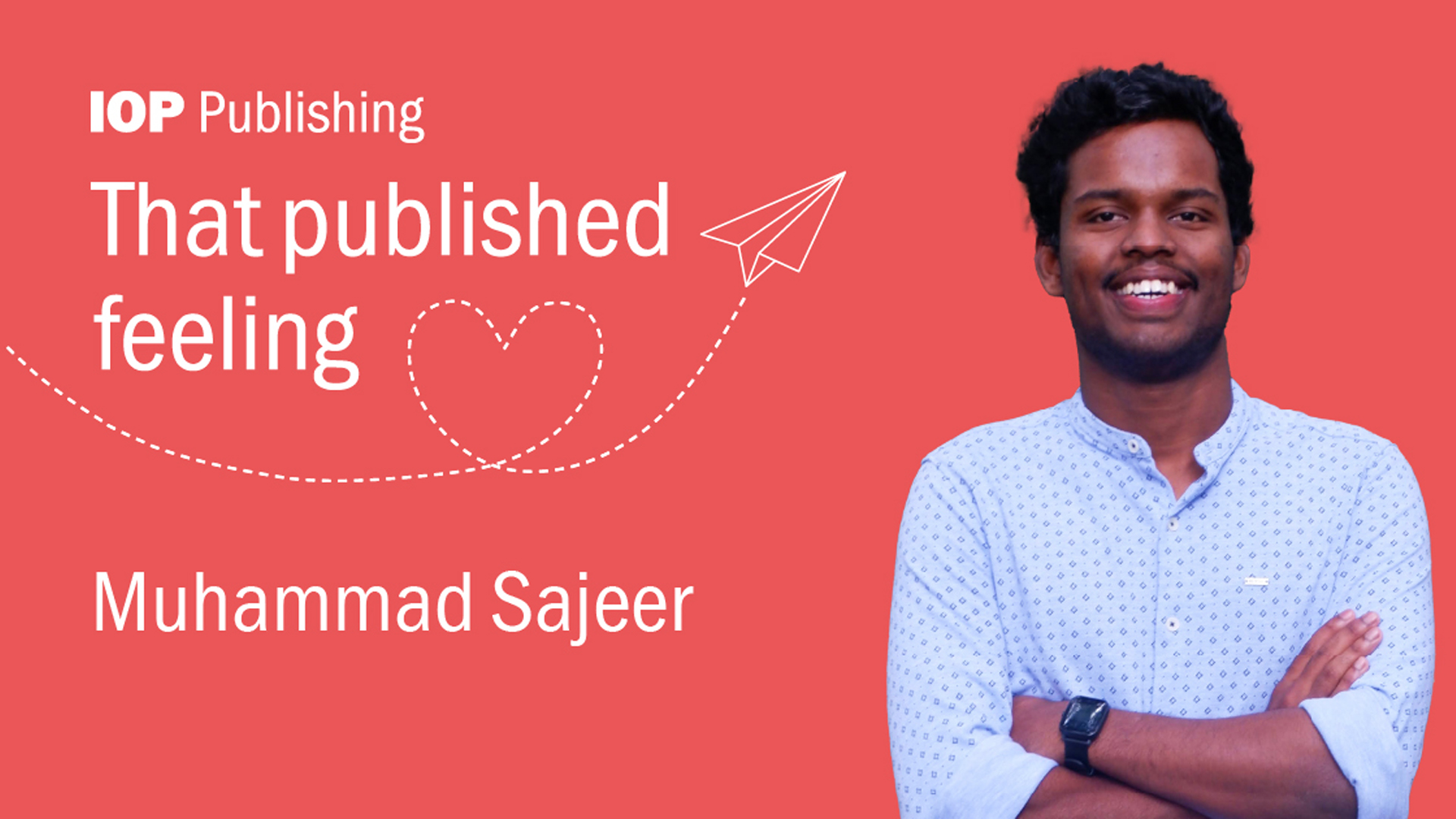
We launched our ‘That Published Feeling’ campaign to celebrate the emotional and professional impact of publishing scientific research. Through the campaign, we shared the human stories behind groundbreaking papers, highlighting the inspiring and personal experience of getting published.
- Bergmann-Wheeler Thesis Prize
- Bernard Wheatley Award
- Britgrav Best Student Talk Prize
- Chinese Physics B: CPS Excellence Awards
- Environmental Research Letters Editor’s Choice Awards
- EPL Awards
- Hershkowitz Early Career Award and Review
- Gravitational Physics Group Thesis Prize
- International Quantum Technology Awards
- IOP Outstanding Reviewer Award
- Journal of Physics A Best Paper Prize
- Journal of Physics D Emerging Leaders Award
- Journal of Physics Energy Early Career Award
- Journal of Physics Photonics Early Career Award
- Mark Reed Young Researcher Award
- Martin Black Award
- New Journal of Physics Early Career Award
- Nuclear Fusion Award
Open Physics
Our open physics programme brings together publications, policies and partnerships that support access, transparency and inclusivity across the physical sciences. As a learned society publisher, we work closely with researchers, librarians, funders and partner societies to make open physics a reality and have a long history in doing so.
In partnership with the Bureau International des Poids et Mesures (BIPM), we converted Metrologia, a leading journal in pure and applied metrology, to a fully open access journal, expanding global access to high‑quality metrology research. Learn more.
With the rollout of the Contributor Role Taxonomy (CRediT) across all our proprietary journals we have increased transparency around the diverse contributions authors make to research outputs. Learn more.
Expanding open access through transformative agreements
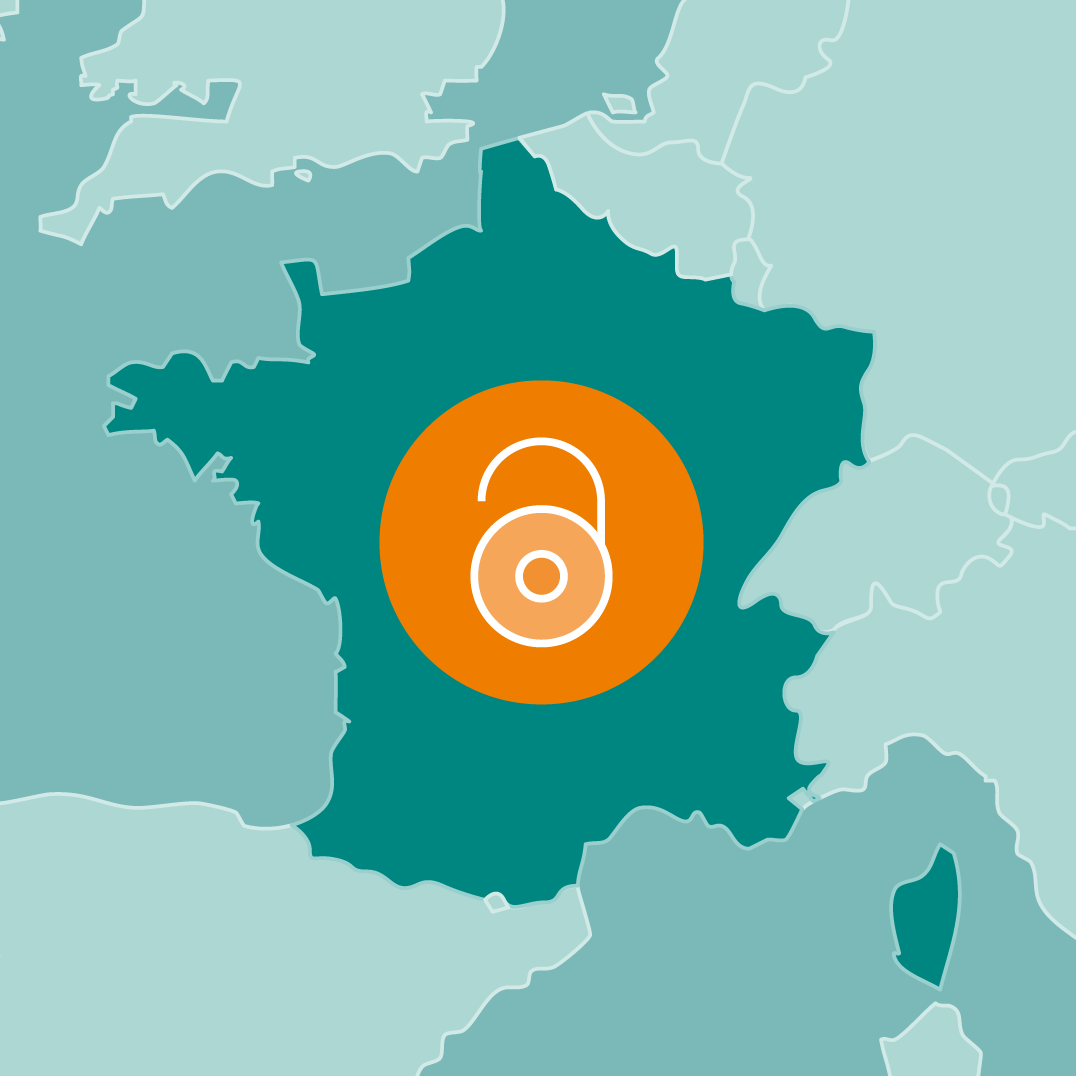
Our transformative agreement portfolio continued to expand, with 38% of our open access content in 2025 published under a TA, including a major milestone, our first agreement in France with the national consortium Couperin, enabling unlimited open access publishing for affiliated authors. We also signed a three‑year agreement with the University of California, allowing UC researchers to publish open access in 77 IOPP journals at no cost to authors, further strengthening global access to and visibility of high‑quality physics research.
Advancing research data sharing
Our new open data policy, introduced for two environmental research journals supports greater transparency, reproducibility and trust in science. Learn more.
Introduction of DOIs for supplementary materials
The introduction of DOIs for supplementary data and materials in 2025 ensures that all the research outputs we publish—not just the main article—are permanently identifiable and citable. This strengthens transparency, supports best practices in research integrity and provides authors with formal recognition for a wider range of contributions.
Dedicated IOPscience pages for supplementary content
We also launched dedicated pages on IOPscience for supplementary data and related materials. These pages provide a clear and accessible home for additional research outputs, improving discoverability for readers and increasing the visibility of authors’ broader work. By organizing supplementary content in this way, we help researchers share their findings more openly and maximize the impact of all associated materials.
Making scientific exchange more accessible globally
As part of the Purpose-Led Publishing (PLP) coalition we sponsored satellite events at local hubs to extend access to the American Physical Society (APS) Global Physics Summit. The events are designed to make scientific exchange more accessible globally, putting purpose above profit in scientific communication. Learn more.
We donated 100% of article publication charge income from retracted papers to Research4Life supporting projects that strengthen access to research in low‑ and middle‑income countries.
Service excellence
We continue to invest in tools, partnerships and policies that make publishing more rewarding for authors, reviewers and readers alike. Our commitment to service excellence ensures that researchers can access and share their work with ease to maximize the impact and visibility of their research.
The introduction of the new Get Full Text Research (GetFTR) browser extension gives authors seamless access to full‑text articles across the internet. This helps researchers reach the content they need with fewer barriers. Learn more.
Our collaboration with ResearchGate grew to include additional journals and an upgraded open access agreement, increasing visibility and reach for our authors across one of the world’s largest research networks. Learn more.
2.6 million
Our ‘Track my article‘ tool has been used more than 2.6 million times.
99.99%
Our content platform, IOPscience, remained virtually uninterrupted, ensuring seamless access for researchers with 99.99% availability over the course of 2025.
Research Integrity
Industry collaboration
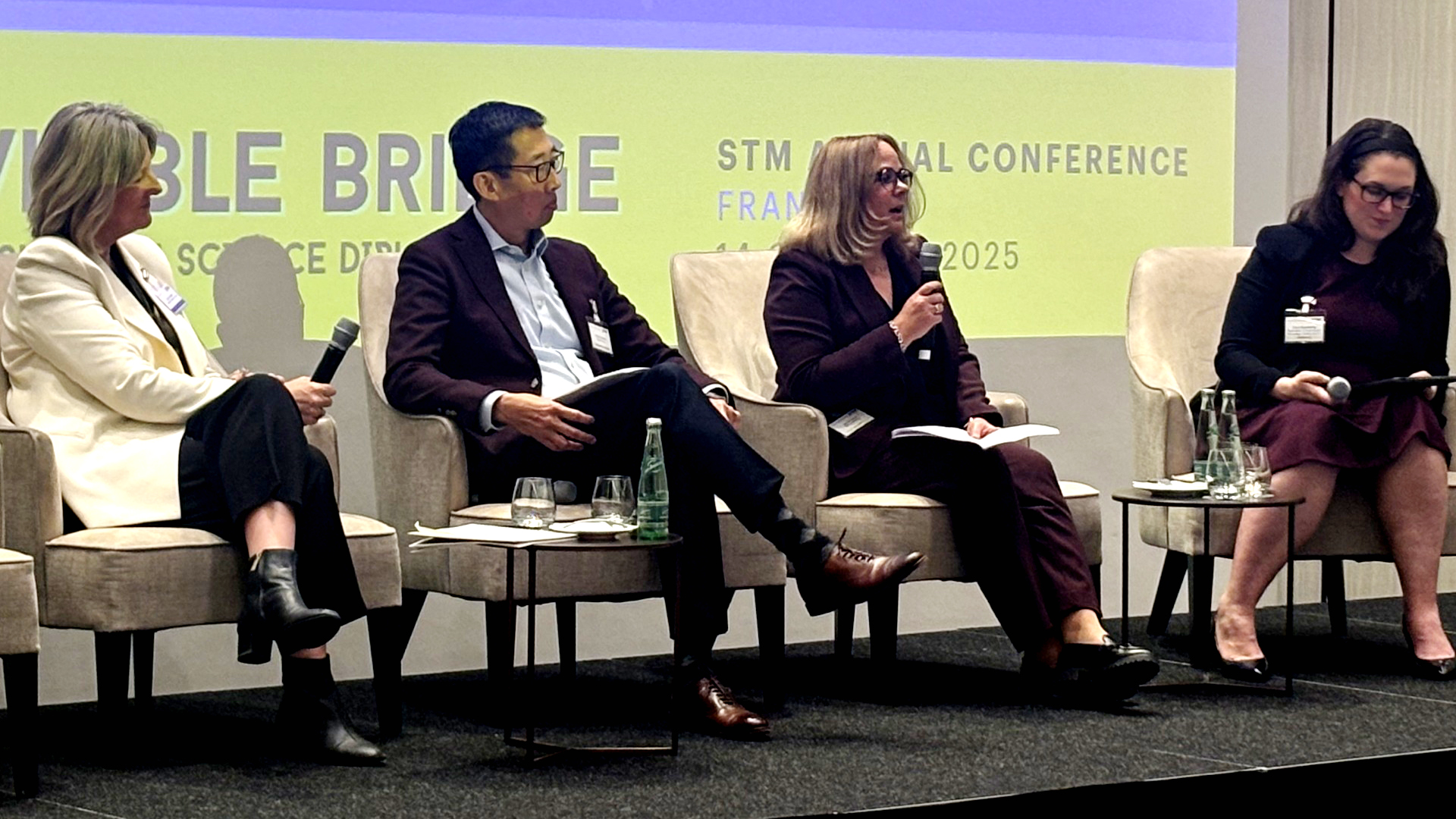
We continue to collaborate across the industry to help safeguard research integrity, contributing to sector‑wide initiatives and sharing expertise through a range of activities, including:
- Supporting the STM Integrity Hub to share knowledge and early detection tactics of issues such as paper‑mill activity.
- Leadership support through our Chief Publishing Officer, Miriam Maus, who, as part of the STM Board, helped shape the STM report on research integrity, Safeguarding Scholarly Communications.
- Contributing to the Committee on Publication Ethics’ (COPE) Publishing Ethics Week.
- Speaking at STM’s Research Integrity Days.
Strengthening sector standards
Our participation in the National Information Standards Organization’s (NISO) new Communication of Retractions, Removals and Expressions of Concern (CREC) recommendations helps to standardize how retraction information is shared across platforms. We are incorporating this guidance to ensure retractions and corrections are communicated clearly. IOPP is also represented on the NISO CRediT taxonomy working group, which is driving wider adoption of the standard.
Sharing knowledge across publishers
By chairing the Crossref Similarity Check Advisory Group, we bring publishers together from across the industry to advise Crossref and Turnitin on service improvements.
Using technology to support integrity
We continued to invest in technology supporting the publication of trusted content and are now applying a range of new tools in our peer review workflows, including Signals, Alchemist Review, ImageTwin, and EthicsGen, to help identify potential issues earlier and support authors in preparing clear, consistent ethical statements. We have collaborated closely with these tool providers, offering feedback and guidance to help refine and enhance their systems.
Improving trust at the point of discovery
Retraction and errata notices are now displayed directly on article pages, using data from Crossref and Retraction Watch. This service, provided by GetFTR, ensures readers can see critical updates at a glance and avoid relying on outdated or corrected work.
Purpose-Led Publishing pilot paves way for Alchemist Review
After a successful trial within the Purpose-Led Publishing coalition, we are adopting Alchemist Review. The pilot, originally launched as the Peer Review Assistant with Hum and GroundedAI, showed clear value in using AI to support editors by automating routine tasks like citation checks, metadata validation, and ethics screening. The trial confirmed that AI works best when it enhances human expertise rather than replaces it.
Co-review
The option to review a manuscript with a colleague has been used more than 5000 times since we introduced this initiative in June 2023. Co-review supports reviewers by allowing early-career researchers to build peer‑review skills alongside more experienced colleagues, while ensuring both contributors receive formal recognition for their work. This helps to alleviate reviewing pressures on senior researchers. The initiative was awarded the Society for Scholarly Publishing (SSP) EPIC Gold Award which celebrates excellence in publishing education and training initiatives.
Reviewer feedback
Our feedback programme supports reviewers with constructive insights to develop their skills and adopt best practice. Since its introduction in November 2023, it has delivered over 70,000 pieces of feedback to support and strengthen our reviewer community.
Trusted Reviewers
In 2025, more than 4000 researchers achieved IOP Trusted Reviewer status, bringing the total number of recognized reviewers to 20,000—the very best peer reviewers in the physical sciences. To extend our appreciation, all IOP Trusted Reviewers can now also receive complimentary IOP Associate Membership.
Our latest global reviewer survey report reveals a growing split in attitudes toward the use of generative AI in peer review across the physical sciences.
Values and culture
Our values and culture shape everything we do: from how we support our people to how we operate our business and engage with the global scientific community. We are committed to a culture that is inclusive, responsible and forward‑looking, ensuring that our work delivers long‑term benefit for society and the planet.

Sustainability
Since 2020, we have worked hard to understand our full environmental impact, identify the areas where we can drive real change and track our progress transparently. We are proud to share our first online sustainability report which shows that we achieved a 36% reduction in carbon emissions compared to our 2020 baseline.
Move to sustainable headquarters
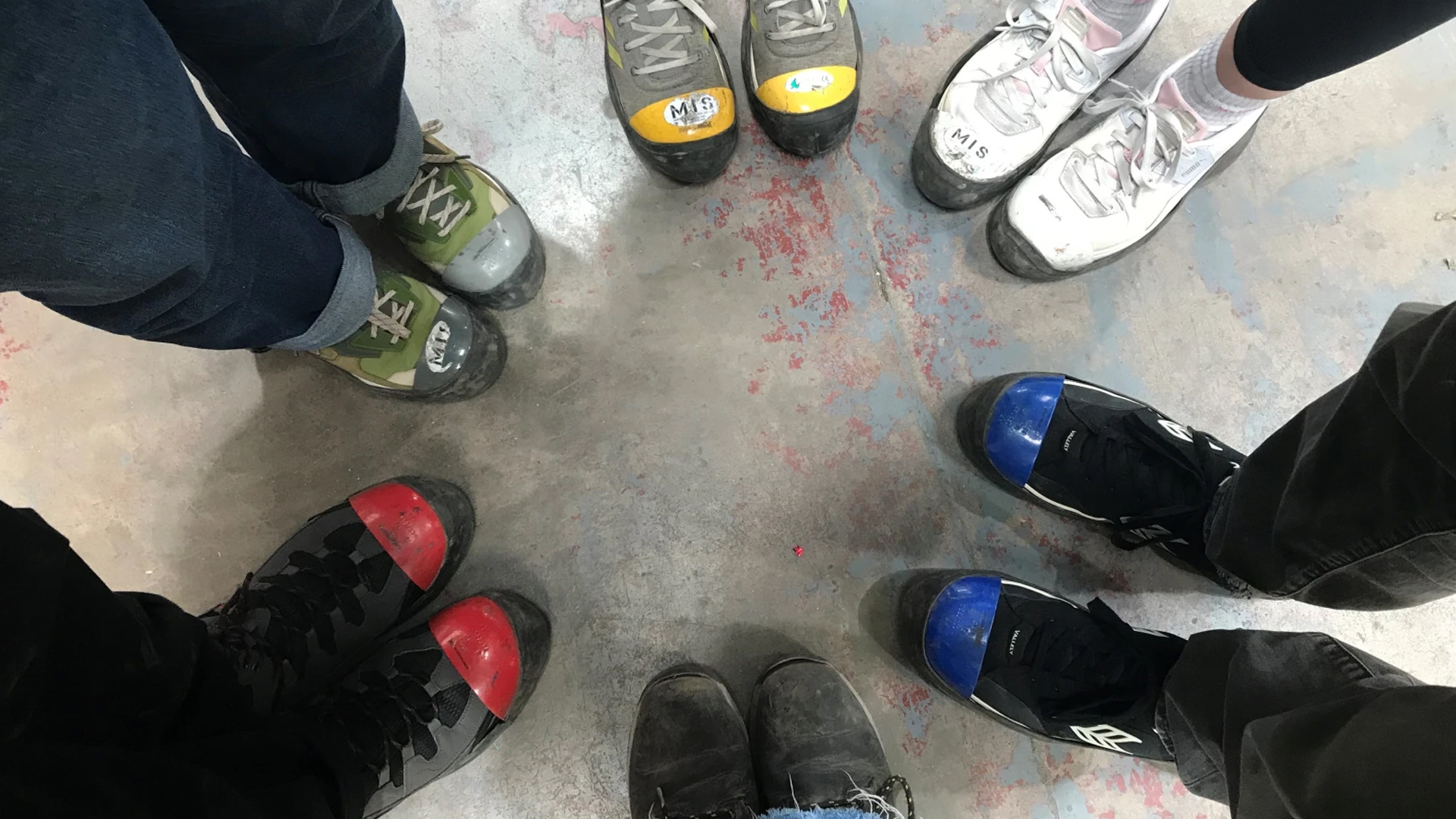
The move to our energy-efficient head office in Bristol helps us to deliver long-term reductions in environmental impact.

Digital first
Our digital‑first publishing strategy also continues to generate significant emissions savings across the entire content lifecycle.
Supply chain management
We are achieving further progress throughout our supply‑chain through active engagement on greenhouse gas (GHG) reporting, which has already led to measurable reductions.
Supporting research on sustainability and equity
Our Sustainability Collection continues to grow in influence. By the end of 2025, the 10,500 open-access articles linked to the United Nation’s Sustainable Development Goals were downloaded 7.6 million times.
Equity, diversity and inclusion
In 2025, we strengthened our commitment to equity, diversity and inclusion (EDI) by expanding initiatives that support colleagues, reviewers, authors and editorial board members.
Supporting researchers from low‑income economies
Supported by our discounts and waiver programme, 12% of the articles accepted by our open access journals in 2025 were from authors based in lower‑income economies.
Accurate author representation
Our name change policy was used 24 times last year, helping researchers update their published records. This reflects our commitment to ensuring authors can be accurately represented throughout their careers and demonstrates the demand for inclusive publishing practices.
Supporting diversity in the workplace
Our six Employee Resource Groups (ERGs) including the Cultural Diversity, LGBTQIA+, Neurodiversity and Disability, Women@IOPP, Family and Carers, and Interfaith group, together with our Mental Health First Aiders and Neurodiversity Champions, continued to grow in confidence and impact throughout 2025.
Around one‑fifth of colleagues are now actively engaged across these groups and have taken part in specialist training initiatives to support and educate colleagues.
Group-wide EDI conference
Another highlight was our first joint EDI and Wellbeing Conference with IOP colleagues, which brought together more than 100 people involved in ERGs and EDI projects. We will continue building on this momentum in 2026, creating further opportunities for collaboration and shared learning across the group.
Representation continued to improve in 2025, with 22.7% of editorial board members identifying as female, compared with 18.5% among submitting authors.
Employer of choice
We strengthened our commitment to developing early‑career and diverse talent, creating clearer routes and better support for those looking to enter the publishing sector.
Mentorship
We completed our final mentoring cohort with Envision, which supports underrepresented young people in the world of work and will continue supporting local schools directly through tailored careers initiatives.
Our new mentoring partnership with Not Impossible has enabled colleagues to support young people through virtual micro‑placements, with students gaining shadowing, CV and LinkedIn support. The programme has already delivered five successful virtual work‑experience placements.
Intern offering
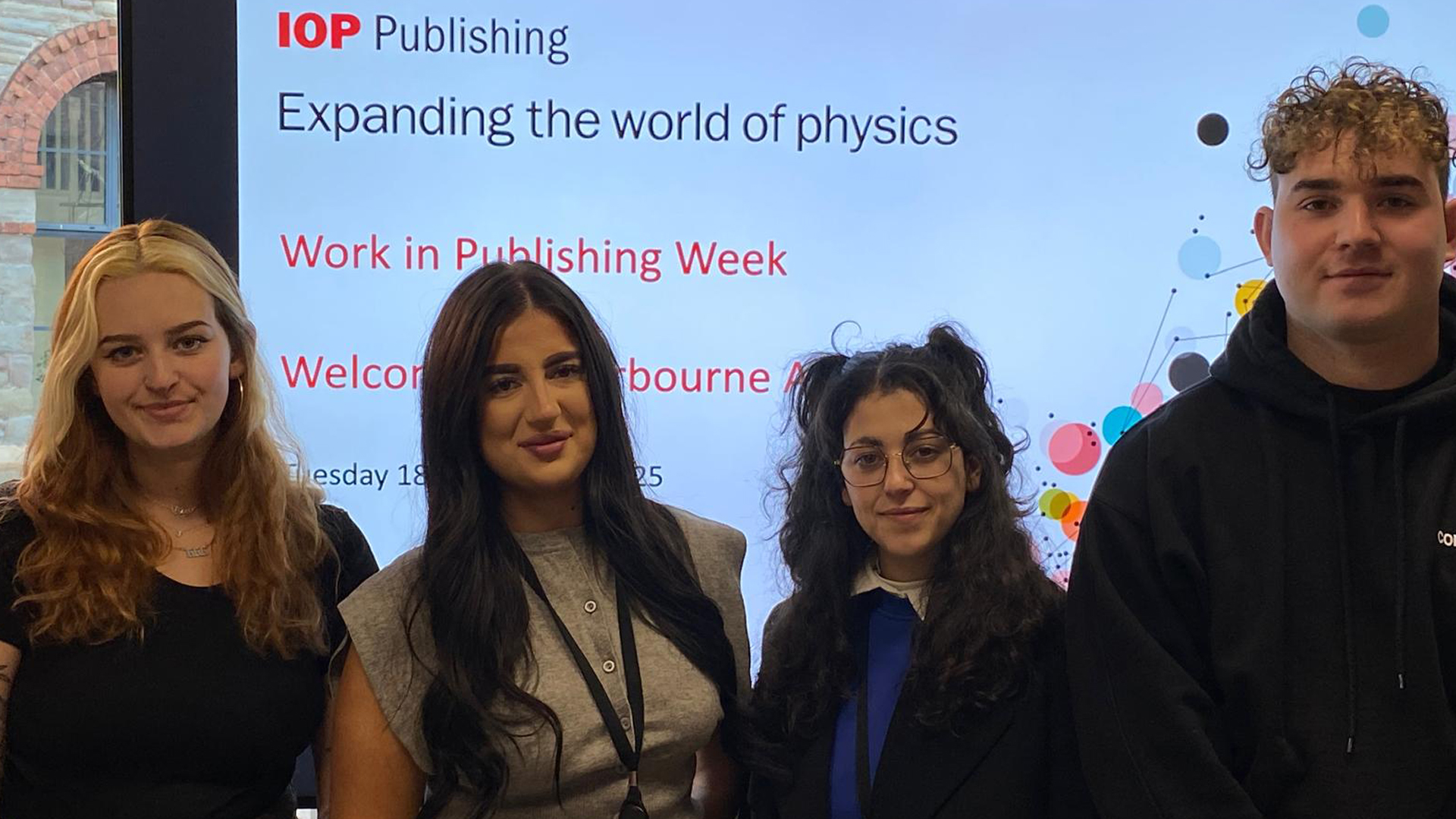
We expanded our intern offering, welcoming our first UK‑based intern to the Conference Series team and continuing two ongoing placements in our Beijing office across Marketing and Publishing. Our Work Experience Week brought three A‑level students into the Bristol office, offering hands‑on exposure to teams across the business, culminating in a presentation of their recommendations.
We also partnered with Winterbourne Academy to deliver two days of workshops, career talks and employability support for two different school groups.
Pathways into publishing
To broaden access to publishing careers, we co‑hosted a virtual Creative Access event, Breaking into Publishing, where colleagues shared insights on roles ranging from editorial and peer review to open science.
We also celebrated industry representation through our Women in Tech event, showcasing stories of resilience, career changes and leadership from women across the tech community.
Colleague development
In 2025, we strengthened our commitment to developing colleagues at every stage of their careers.
Embedding organizational behaviours
We strengthened our organizational culture by deepening the adoption of our eight core IOPP behaviours across the business. Each month, we spotlighted a behaviour and supported colleagues through live learning events and curated resources on our learning platform.
Strengthening leadership
A bespoke leadership programme built on our strengths enabled colleagues to deepen their leadership capability and strengthen the behaviours needed for future success. We also piloted our new management development programme, which will be rolled out to all managers in 2026.
Enhancing collaboration
To enhance collaboration and interpersonal awareness, we expanded the use of the Insights Discovery tool across the organization. The tool helps colleagues understand their unique working styles, communication preferences and behavioural patterns, supporting more effective teamwork across departments.
97%of our employees think individual differences are respected at IOPP, irrespective of things such as race, gender, disability, age and sexual orientation.
97%say they have flexibility over their working hours.
90%of our employees say IOPP takes sustainability issues seriously.
87%would recommend IOPP as a great place to work.