New Study Challenges Data Heat Island Claims Around Hyperscale Data Centres
04 Nov 2026 by Rachael Harper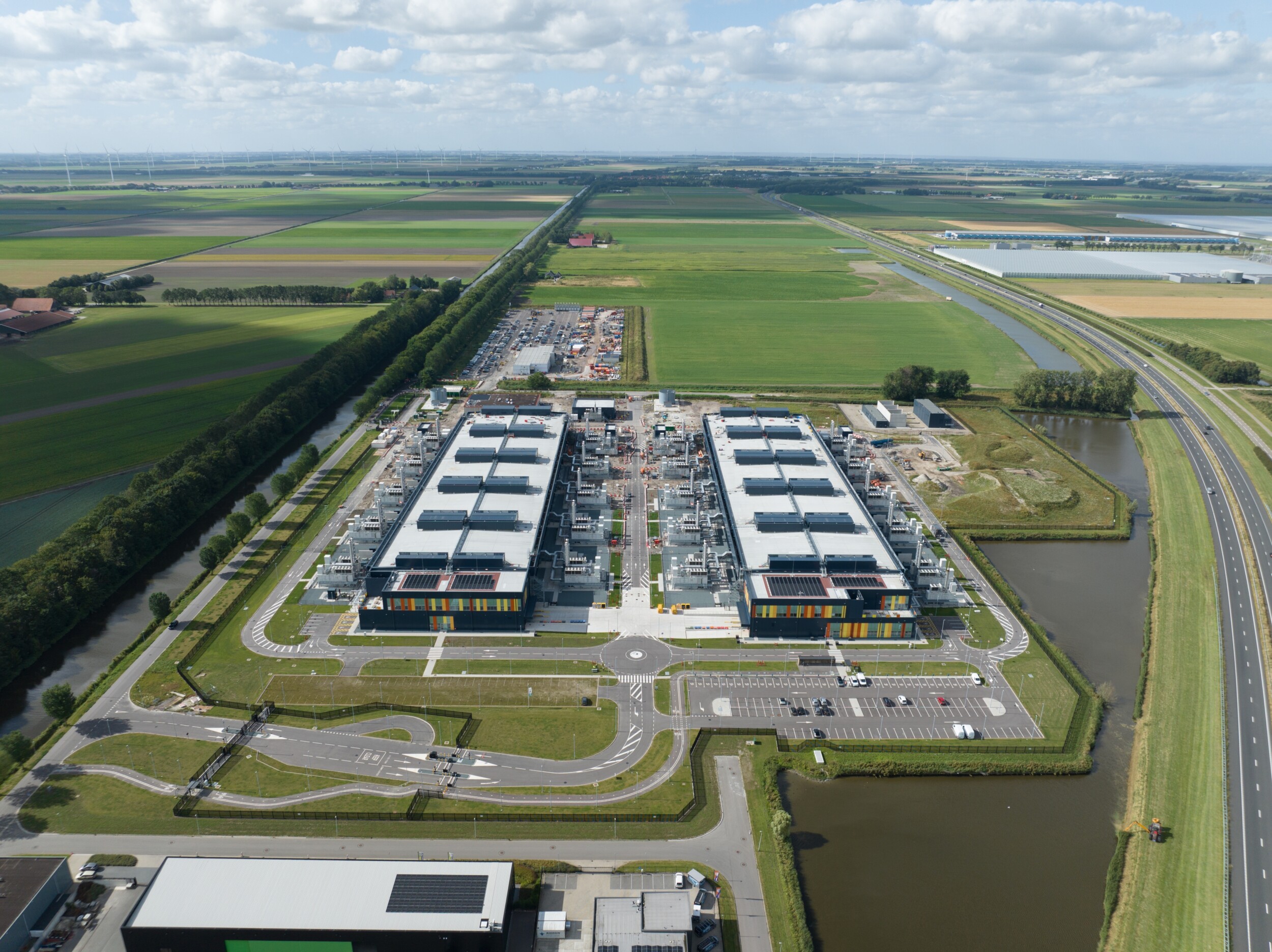 Source: Shutterstock
A new study published in Environmental Research Letters has found little evidence that hyperscale data centres cause significant heating of surrounding land. While a previous study suggested data centres heat surrounding land by about 2 °C on average (up to 9 °C), reaching 10 kilometres away, 13 years of satellite data reveals that server waste heat causes minimal nighttime surface warming, while building materials actually cool ground temperatures during the day.
Energy balance calculations in the study show that generating such large regional temperature increases would require 6 to 43 times more heat than the facilities can release.
To examine these patterns, the study tracked 13 years of thermal satellite imagery across 12 data centres built between 2011 and 2025 in Japan’s largest data centre hub near Tokyo. Comparing operating facilities against control sites and analysing daytime versus nighttime readings showed:
- Commissioning a data centre cools local ground temperatures by 1.8°C to 2.2 °C during the day, because modern engineered roofs reflect more sunlight than the cropland or open fields they replace.
- At night, when server heat exhaust would be most noticeable, ground temperature changes directly over facilities remained negligible, while multi-kilometre cluster nighttime ground warming remained under 0.3 °C.
- Cross-climate tests in dry and continental environments confirmed that nighttime surface warming occurred during construction, before servers were installed or plugged in, matching regular commercial developments like warehouses.
Slight air warming (under 1 °C) can occur within a few hundred metres of concentrated cooling vents where exhaust air blows in dry climates, but the study suggests that server heat is not strong enough to cause widespread ground warming across neighbourhoods.
Currently, no major data centre market requires temperature impact assessments prior to construction, though some U.S. local zoning guidance has begun to address heat, without specifying how it should be measured. The study establishes an open, satellite-based testing tool that city planners and regulators worldwide can use to measure local thermal impacts before and after facilities are built.
Lead author, Jiawei Jing from the Makuhari Development Corporation, says: “Communities and planners need evidence when deciding where and how data centres should be built. As governments invest in the digital infrastructure needed to support AI and economic growth, it’s important that decisions are guided by what satellite imagery and energy balances say, to ensure environmental impacts are measured accurately and transparently.”
Read the full study doi.org/10.1088/1748-9326/aead02