Thanks to Fredrik Eriksson, Research Librarian and Data Curator at European Spallation Source ERIC in Lund, Sweden, for taking part in our Librarian Spotlight interview series.
“We are here to help, and there should be no threshold for users to reach out and ask for guidance. Without users, our value is zero.”
- What made you decide to become a librarian?
After studying various topics within the humanities and social sciences, I took a break from university. I worked in elderly care, and in my spare time I worked on a platform that organised DIY instructions from around the world. A friend told me that this sort of work closely correlates with what librarians do. So now I get paid to organise information. Seems like a good deal!
- What’s the best thing about being a librarian?
It gives you access to tons of information, facts, and knowledge. If you’re a curious person, it never gets boring. There are always new things to learn and understand.
- Tell us about your favourite book?
For fiction, I would say 1984. It is always relevant, and I actually quoted it a few minutes ago, even though I read it some 30 years ago.
For non-fiction, The Feynman Lectures on Physics, Vol. 1. It is an amazing portal into the world of physics, even for someone coming from the humanities. The later volumes become less accessible.
- In your opinion, what are the most important skills to have when working as a librarian?
Being service-minded. We are here to help, and there should be no threshold for users to reach out and ask for guidance. Without users, our value is zero.
I also think it is very important to be curious. The more you know, the easier it is to help.
- What’s your favourite place in your library?
Our reading room. Small, quiet with a nice ambience.
- In your opinion, what is the importance of the library?
It is rather simple: to solve information needs. How you do that is the tricky part. That is why we have different types of libraries and librarians. The preconditions of each interaction are quite unique, and the target audiences differ a lot between, say, an academic library and a public one. This means you need different skill sets for each context.
- Tell us what a typical day looks like for you as a librarian.
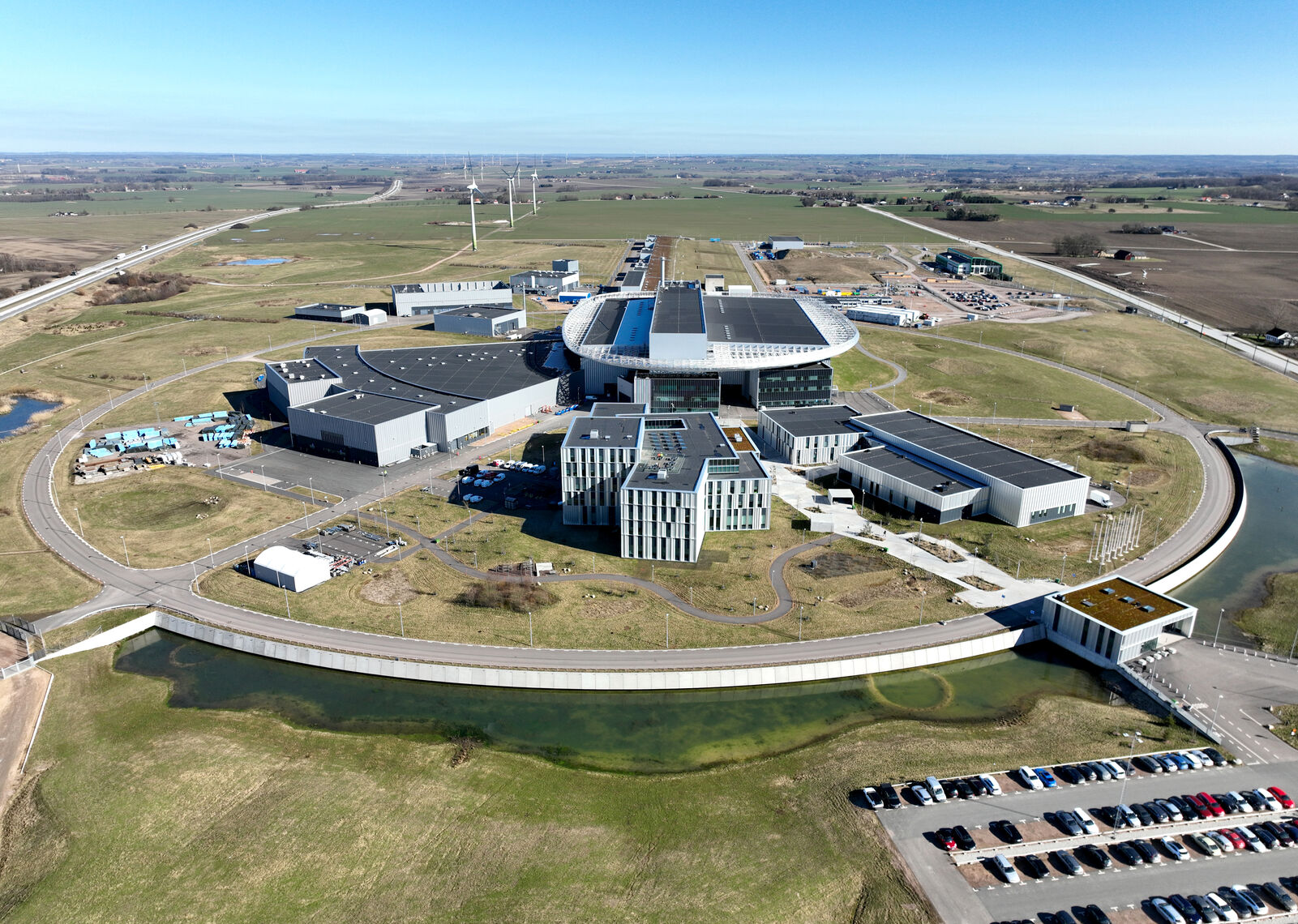
My workplace is a research infrastructure called the European Spallation Source. It is a Big Science project with around 800 employees from 13 member countries. It is still being built, and construction has been ongoing for about 10 years now, which says something about its scale.
I’m the first librarian here, and my main task is to build an information infrastructure that supports our scientists, engineers, and administrative staff. This includes everything from acquiring resources and negotiating with publishers to building and maintaining catalogues and repositories. In addition, I am part of the development group for our Research Data Catalogue.
On a normal day, I’m either working alone on developing very library-specific tools or services, or working in close collaboration with our research data activities.
Coming from a larger library, this is very different. Instead of having specific responsibilities, you are responsible for everything. That might sound intimidating, but I find it inspiring and fun.
- What is your favorite part of the day at work?
What gives me pleasure as a librarian is very simple: if I can fulfil an information need, I feel like I’m doing a good job. I find that very rewarding, even after 20 years in the profession.
- After a hard day, what do you do to relax?
I listen to music, play video games, or play tennis. Of course, I also spend time with my family — preferably at our summer house (a typical Swedish thing).
- Could you tell us the most interesting/funniest story that happened to you working as a librarian?
I always liked working as a reference librarian in a public setting. I remember, early in my career, getting a question like: “How do cows grow muscles if they don’t eat protein?”
That question really positioned the profession for me — the expectations the public has of librarians as societal symbols. I had no idea what the answer was, and back then digital tools were not as effective as they are today. You had to dig through printed reference books to find the answer (which I no longer remember, of course).
- Is there anything you would like to share with other librarians?
Perhaps keeping your eyes on the prize. When thinking about the purpose of the library, I often end up thinking about Ranganathan’s laws. I believe the first one is “Books are for use.” Simple, but still very telling: libraries are for the users, not for librarians.
- Could you give us one book recommendation that everyone should read?
First three chapters of The Feynman Lectures on Physics Vol. 1.
- If you had to describe a library in one word what would it be?
Meaning.