Wildfire Smoke Linked to Rise in Violent Assaults, New 11-Year Study Finds
26 Feb 2026 by Faye Holst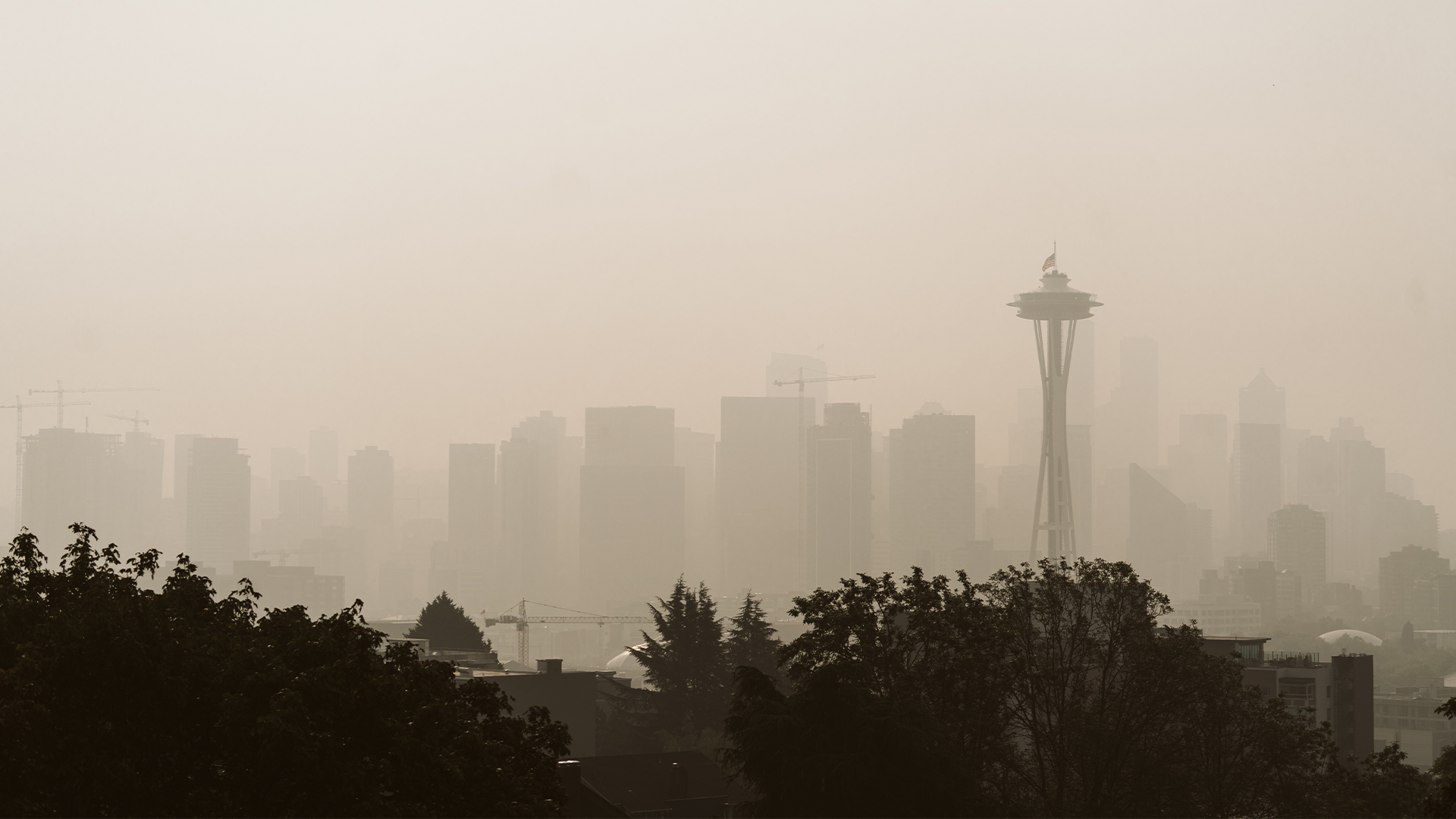 Shutterstock: Cavan-Images
A new study spanning eleven years of data has revealed a clear link between wildfire smoke pollution and an increase in violent assaults in Seattle. Published in the journal Environmental Research Letters, these findings represent the first direct causal evidence that short-term exposure to wildfire-driven air pollution can increase interpersonal violence in an urban environment.
As wildfires intensify around the world due to climate change, Lion Kircheis, the author of the study warns that air-quality deterioration may be driving social as well as health consequences. The researcher at the University of Konstanz analysed daily air pollution levels and police-reported assaults from 2013 to 2023, found that:
- Wildfire smoke increased daily PM2.5 levels by an average of 7 μg/m³.
- On smoke-affected days, assaults rose by approximately 3.6%.
- Each additional 1 μg/m³ of PM2.5 was linked to a 0.5% increase in daily assaults.
Kircheis used satellite-based smoke predictions and an instrumental-variable approach to isolate wildfire-derived particulate matter from other pollution sources, ensuring that the effects were specifically linked to smoke events rather than broader air quality trends.
Although the study did not test individual biological changes due to wildfire smoke pollution, the pattern of results points to short-lived physiological and psychological responses to fine particulate pollution—such as discomfort, inflammation or stress reactions—as likely contributors to the rise in assaults.
Importantly, Kircheis ruled out other factors that might drive increased violence. For instance, traffic collisions and police response times remained stable on smoke-affected days, ruling out explanations related to inattention or reduced police capacity. Domestic violence call volumes also did not increase, suggesting that the effect is concentrated in outdoor settings where exposure to wildfire smoke is highest and incidents of low severity police use of force did rise on smoke days, mirroring the uptick in interpersonal assaults and further supporting an exposure-driven behavioural response.
As wildfire seasons grow longer and more intense across North America and around the world, smoke-driven pollution is set to become an increasingly large share of the air people breathe.
Lion Kircheis, says: “What really stands out in the study is that the burden of wildfire smoke won’t be shared equally. Outdoor workers, people without access to clean indoor air, and those experiencing homelessness are likely to feel the effects most intensely, and that’s something we can’t ignore. Our findings show that actions to mitigate climate change and improve wildfire management can offer public safety benefits beyond just better health outcomes.”