
IOP Publishing Editorial Excellence Awards 2026
IOP Publishing is proud to celebrate editorial excellence across our journals, and the invaluable part that our Editorial Board Members play.
We congratulate all individuals on this outstanding achievement. You can find the full list of winners under each subject category below.
Biomedical Engineering and Medical Physics
Jing Jin
East China University of Science and Technology, China
Editorial Board Member, Journal of Neural Engineering
-edited.jpg)
Biography
Professor Jing Jin is a Professor at East China University of Science and Technology (ECUST). His research focuses on non-invasive brain–computer interfaces (BCIs), neural signal decoding, and intelligent neurorehabilitation systems. Over the past two decades, he has advanced robust EEG decoding algorithms, high-density neural signal analysis, and closed-loop BCI systems for motor and disorders of consciousness. He has published over 140 peer-reviewed papers in leading journals, including Journal of Neural Engineering, IEEE Transactions on Biomedical Engineering, and IEEE Transactions on Neural Systems and Rehabilitation Engineering. His work has received more than 9,000 citations according to Google Scholar. Prof. Jin serves as an Editorial Board Member of Journal of Neural Engineering and several other international journals. He has led major national research programs in brain–computer interfaces and is a recipient of the Wu Wenjun Artificial Intelligence First Prize. His work promotes interdisciplinary integration across neuroscience, artificial intelligence, and clinical rehabilitation.
Engineering
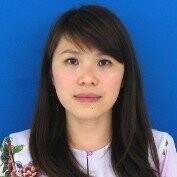
Liew Pay Jun
Universiti Teknikal Malaysia Melaka, Malaysia
Editorial Board Member, Engineering Research Express
Biography
Professor Liew Pay Jun is an Associate Professor in the Faculty of Industrial and Manufacturing Technology and Engineering at Universiti Teknikal Malaysia Melaka (UTeM), specializing in advanced manufacturing and surface engineering. She earned her Bachelor’s degree in Mechanical (Manufacturing) Engineering in 2006, a Master of Science in Manufacturing Systems Engineering from Coventry University in 2007, and a Ph.D. in Mechanical Systems and Design from Tohoku University in 2013. Her research focuses on electrical discharge machining (EDM), electrical discharge coating (EDC), and sustainable machining processes. She has contributed extensively to work on titanium and aluminium alloys, particularly in surface modification, tribological performance, and the use of eco‑friendly lubricants and particle‑reinforced dielectrics in machining. Dr. Liew is active in postgraduate supervision, international research collaborations, and developing innovative manufacturing solutions for industry. She currently serves on the Editorial Boards of Engineering Research Express (ERX) and the Journal of Advanced Manufacturing Technology (JAMT), and is a Young Editorial Board Member for Advanced Manufacturing.
Environment and Energy
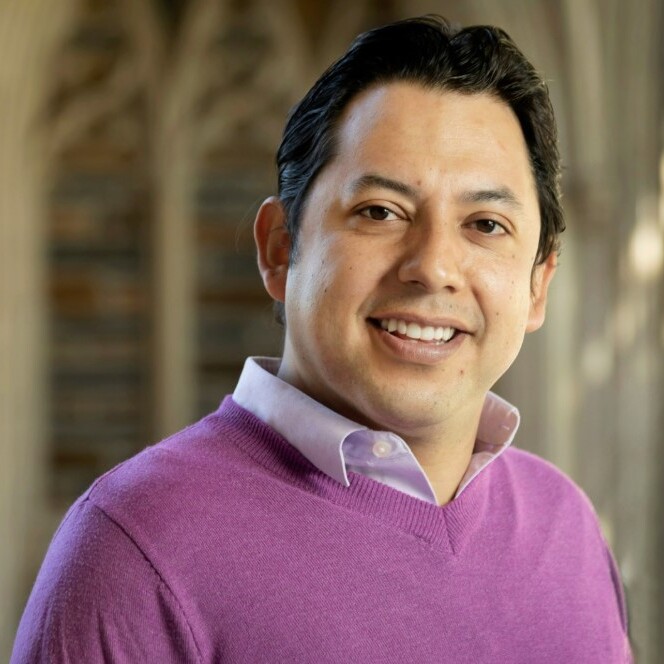
Edgar Virgüez
California, USA
Editorial Board Member, Environmental Research: Energy
Biography
Dr Edgar Virgüez is a Research Engineer at Stanford University, where his work focuses on identifying and advancing solutions for the future of the U.S. electricity system. At the heart of his research is the goal of building a grid that is more reliable, resilient, and capable of meeting society’s evolving energy needs. He also serves as Managing Director of the EARNEST Consortium, a multi-institutional effort that brings together universities and national laboratories to develop new knowledge and tools that strengthen the resilience of the U.S. electric grid. Leading this effort has given him the opportunity to work across disciplines and institutions, fostering the type of collaboration that is essential for addressing complex energy challenges.
Machine Learning
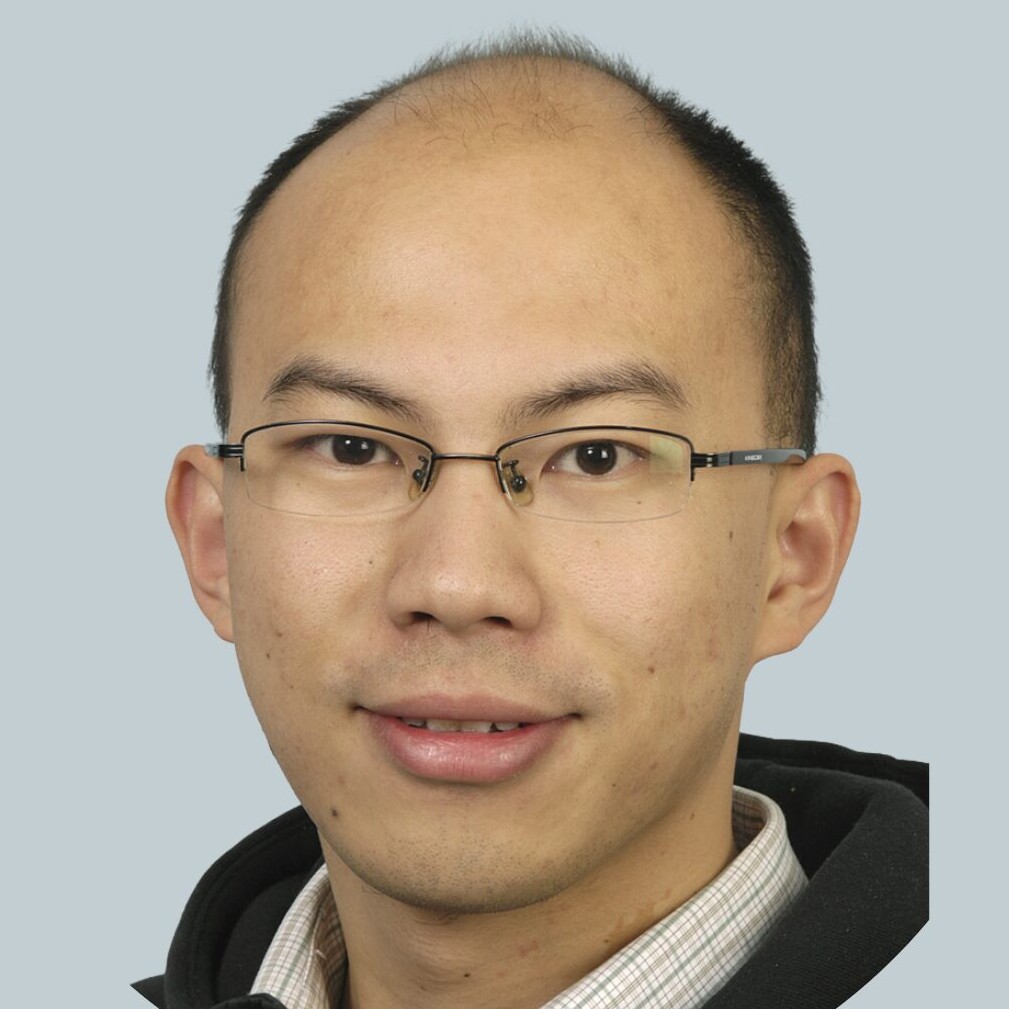
Lei Wang
Institute of Physics, Chinese Academy of Sciences, China
Executive Editorial Board Member, Machine Learning: Science and Technology
Biography
Professor Lei Wang is a faculty member at the Key Laboratory of Condensed Matter Theory and Computation at the Institute of Physics, Chinese Academy of Sciences. He earned his B.S. in Physics from Nanjing University in 2006, followed by a Ph.D. from the Institute of Physics at the Chinese Academy of Sciences in 2011. He then completed a postdoctoral fellowship at ETH Zurich from 2011 to 2016.
He returned to the Institute of Physics at CAS as an Associate Researcher in 2016 and has served as a Researcher there since 2019. His work focuses on deep learning, quantum algorithms, and quantum many‑body computation. Dr. Wang’s current research explores deep learning as a tool for scientific discovery, the application of quantum hardware and algorithms to many‑body problems, and the development of efficient numerical methods for strongly correlated systems.
Materials Science / Condensed Matter
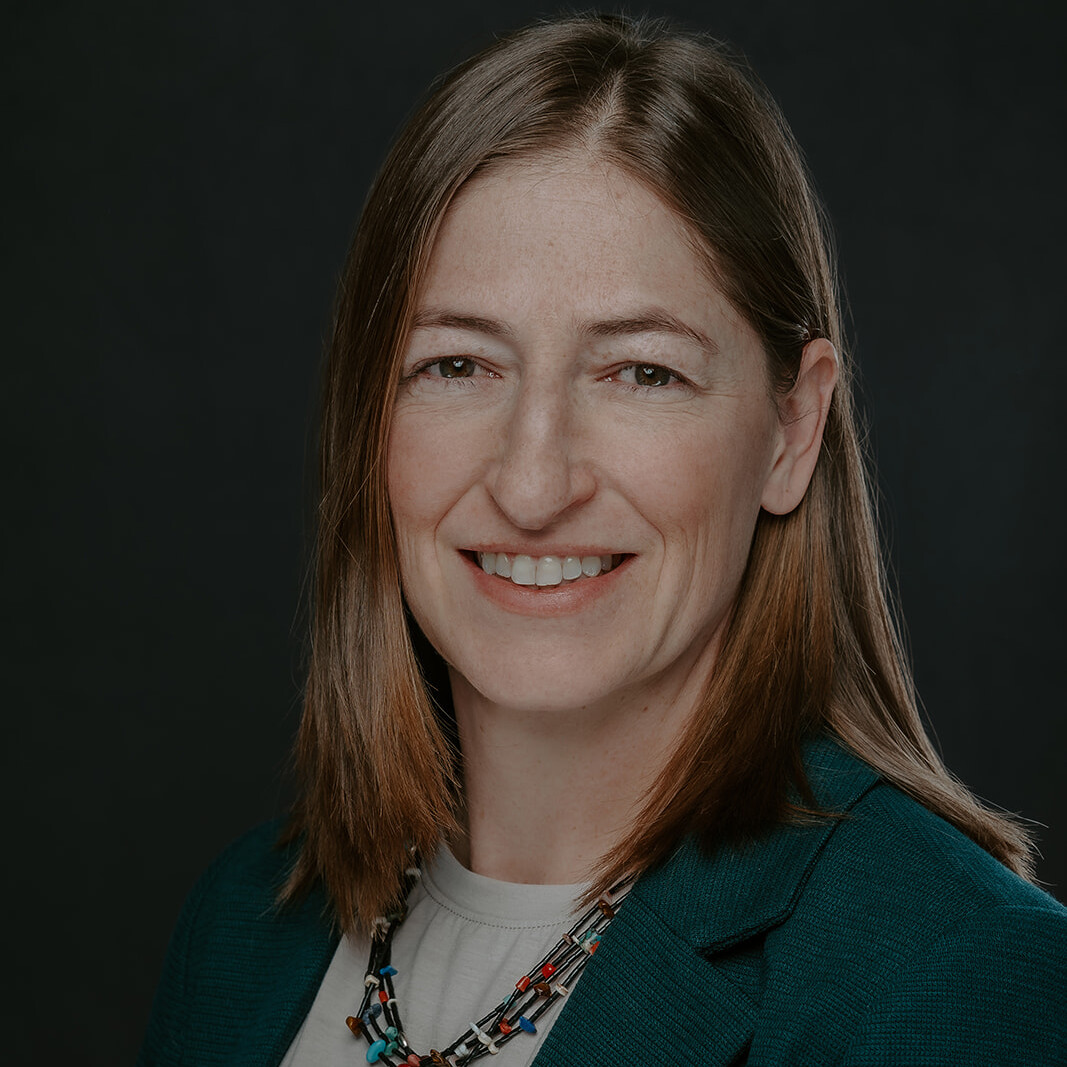
Abigail Hunter
Los Alamos National Laboratory, USA
Editorial Board Member, Modelling and Simulation in Materials Science and Engineering
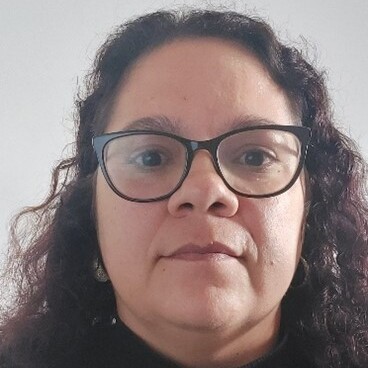
Mariana Fraga
Universidade Presbiteriana Mackenzie, Brazil (Federal University of São Paulo)
Executive Editorial Board Member, Materials Research Express
Biography
Dr Abigail Hunter earned her Ph.D. in Mechanical Engineering from Purdue University in 2011 and her B.S. from the University of Utah in 2006. She joined Los Alamos National Laboratory (LANL) as a postdoctoral research associate in the X Computational Physics (XCP) Division in 2011 and became a staff scientist in 2012. She is now the group leader for the Materials and Physical Data Group within XCP and the Deputy Director of the Institute of Materials Science at LANL. She also serves on the Editorial Board of Modelling and Simulation in Materials Science and Engineering (MSMSE). Dr. Hunter received the University of Utah’s Mechanical Engineering Alum of the Year Award in 2020 and the Presidential Early Career Award for Scientists and Engineers (PECASE) in 2019 for her work on brittle damage and dislocation dynamics models supporting advanced materials manufacturing. Her research focuses on modeling the strength and damage of metals and alloys across meso- and macro-scales, particularly the connections between microstructure, dislocation-based deformation, and overall material behavior.
Biography
Professor Mariana Amorim Fraga holds a Ph.D. in Aeronautical and Mechanical Engineering, with emphasis on the Physics and Chemistry of Aerospace Materials, from ITA (2009), and an M.Sc. in Electrical Engineering, with emphasis on Microelectronics, from USP (2005). She is a Professor at the School of Engineering at Universidade Presbiteriana Mackenzie, where she leads the Research Group on Sensors and Photovoltaic Devices and is a member of the Mackenzie Photonics Group. She also serves as a faculty member in the Graduate Programs in Electrical and Computer Engineering and in Production Engineering. An IEEE Senior Member, she serves as Chair of the IEEE Sensors and Systems Joint Chapter South Brazil and as a member of the IEEE Women in Electron Devices Society (WiEDS) committee. Her research expertise encompasses Materials Science, Nanotechnology, and Microelectronics, with an interdisciplinary focus on functional materials, sensors, and electronic devices.
Mathematics
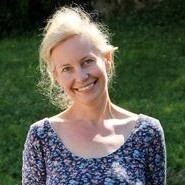
Barbara Kaltenbacher
University of Klagenfurt, Austria
Editorial Board Member, Inverse Problems
Biography
Barbara Kaltenbacher did her PhD and Habilitation in Linz, Austria, in 1996 and 2003, respectively. She moved to Erlangen as the leader of an Emmy Noether Junior Research Group in 2003, to Stuttgart as a Professor for Optimization in 2006 and to Graz as a professor for Applied Mathematics in 2010. Since 2011 she is Professor for Applied Analysis at the University of Klagenfurt. Her main research emphasis lies in the field of Inverse Problems, where she has co-authored three monographs and contributed more than 100 journal papers. This also includes modeling, analysis and numerics of the corresponding forward problems, such as piezoelectricty, hysteresis in magnetics and ferroelectrics, as well as nonlinear acoustics, where the latter has recently become another focus of her research with a monograph co-authorship and more than 40 journal papers so far. BK is a member of the Austrian Academy of Sciences and of the executive committees of the European Mathematical Society EMS. She has recently served as president of the Inverse Problems International Association IPIA and as Editor-in-Chief of the Journal of EMS. From 2011 to 2020 she was board member of the Austrian Science Foundation (FWF) and from 2015 to 2020 chair of the Scientific Advisory Board of the Weierstraß Institute for Applied Analysis and Stochastics WIAS, Berlin.
BK has been serving as a member of the Editorial Board of Inverse Problems since 2011.
Physics
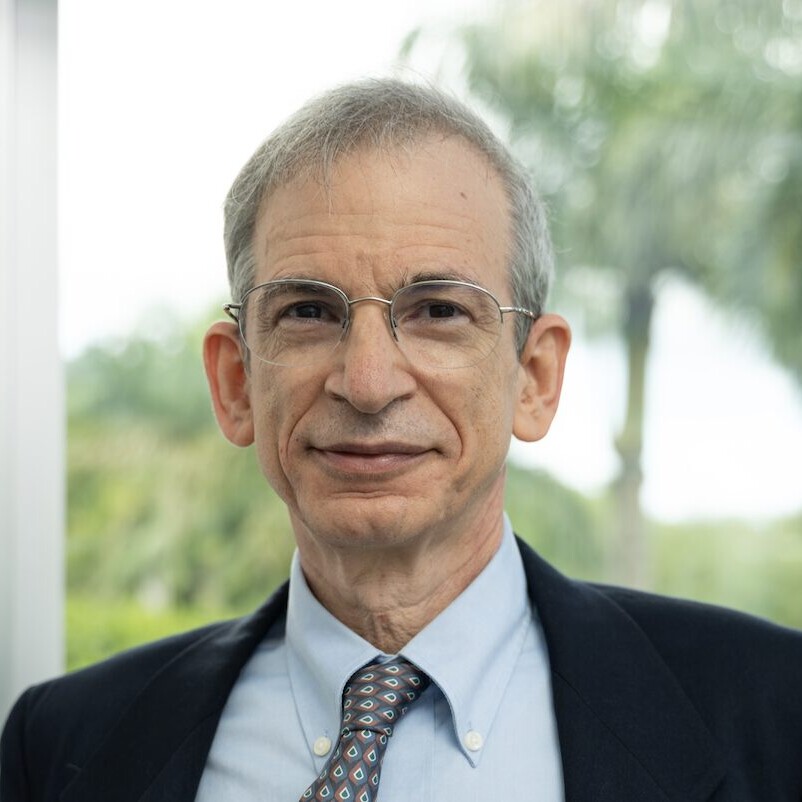
Rafael Nepomechie
Miami, USA
Executive Editorial Board Member, Journal of Physics A: Mathematical and Theoretical
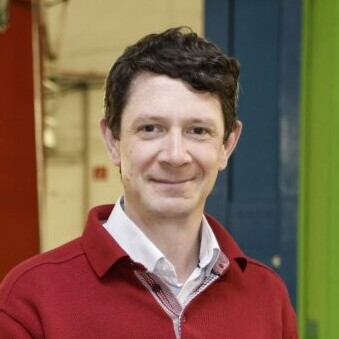
Pierre Capel
Johannes Gutenberg-Universität Mainz, Germany
Editorial Board Member, Journal of Physics G: Nuclear and Particle Physics
Biography
Professor Rafael Nepomechie is a theoretical physicist with research interests in elementary particles and fields, string theory, quantum integrability, and quantum computing. He earned his PhD from the University of Chicago in 1982 and held postdoctoral positions at Brandeis University and the University of Washington before joining the University of Miami in 1986, where he is now a Professor. Dr. Nepomechie has published over 150 scientific papers and has lectured on six continents. His honours include National Science Foundation and Fulbright Specialist grants, the University of Miami’s Cooper Fellowship and Outstanding Teaching Award. He is a Fellow of the Institute of Physics (UK), serves on the Executive Editorial Board of Journal of Physics A, and is a Senior Fellow of SciPost Physics.
Biography
Professor Pierre Capel is a professor at Johannes Gutenberg Universität Mainz whose research focuses on modelling reactions with exotic nuclei, particularly halo nuclei, which are light, neutron‑rich systems with unusually large matter radii due to weakly bound neutrons that form a diffuse halo around a compact core. His work aims to develop reliable reaction models that, combined with realistic projectile descriptions, allow accurate interpretation of data from radioactive‑ion beam facilities. Pierre studied engineering at the Université libre de Bruxelles and École Centrale Paris before completing a PhD in theoretical nuclear physics at the ULB in 2004. He held research roles at TRIUMF, the Université libre de Bruxelles and Michigan State University, later becoming assistant and then associate professor at the ULB, before joining the nuclear‑physics institute at JGU in 2018. He has served on the Editorial Board of Journal of Physics G since 2016, was an Editorial Board member of the European Physical Journal A between 2017 and 2021, was named an outstanding referee by the American Physical Society in 2022, and became an APS Fellow in 2025.
Quantum Science
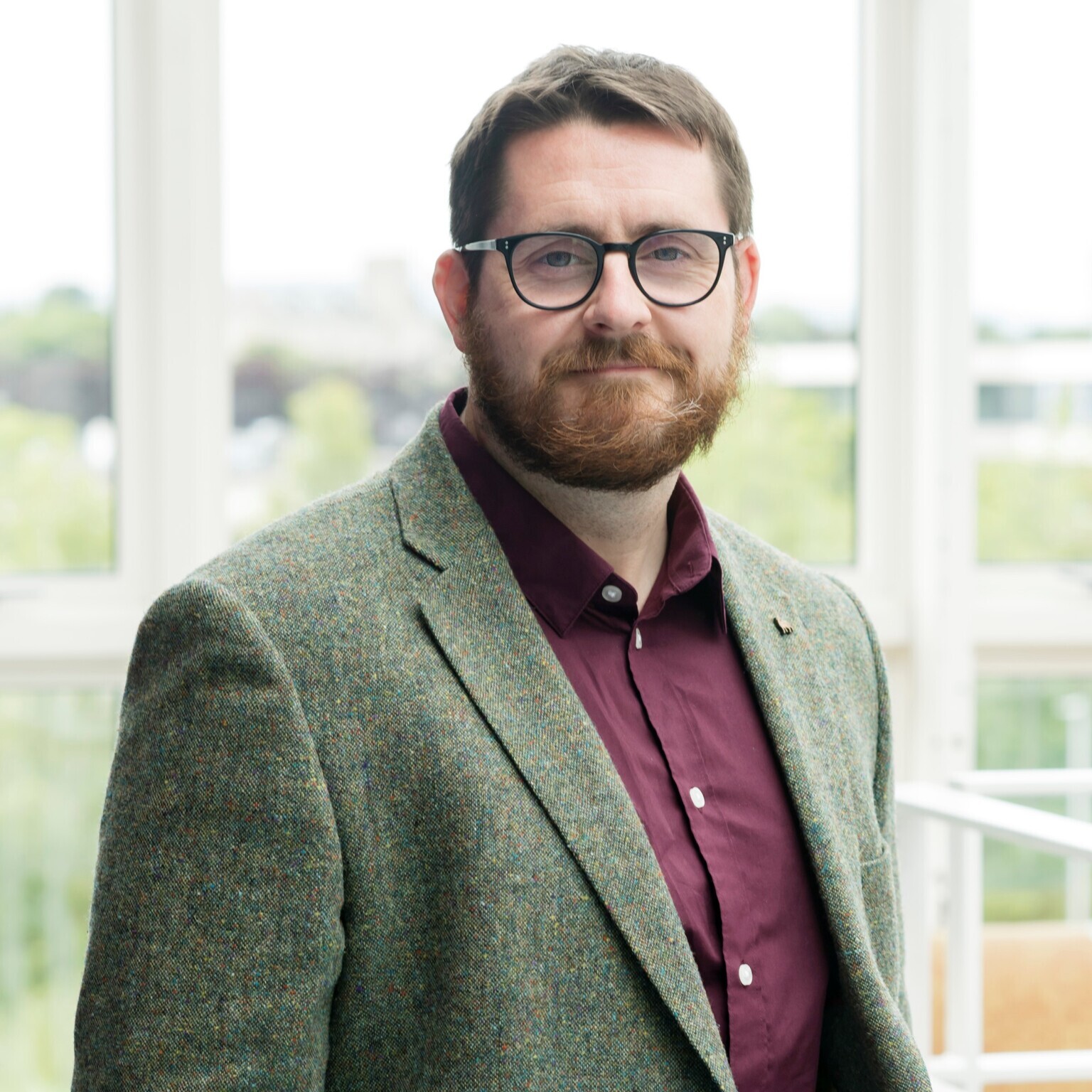
Steve Campbell
University College Dublin, Ireland
Editorial Board Member, New Journal of Physics
(Awarded for his contributions on Quantum Science and Technology)
Biography
Professor Steve Campbell is a theoretical physicist whose work centers on the fundamental limits that shape thermodynamically efficient control of complex quantum systems. His research spans quantum speed limits, open quantum systems, critical spin systems, phase transitions, metrology, and coherent control. He earned his Ph.D. from Queen’s University Belfast in 2011 and subsequently held research positions at University College Cork, the Okinawa Institute of Science and Technology, and Queen’s University Belfast. In 2017 he received an INFN Sezione di Milano fellowship, followed by an SFI-funded Senior Research Fellowship at Trinity College Dublin in 2019 before joining University College Dublin (UCD) later that year. His work at UCD has been supported by Science Foundation Ireland, Enterprise Ireland, the Irish Research Council, the John Templeton Foundation, and the Alexander von Humboldt Foundation. Steve received the 2nd G. D. Paparo Prize in 2020 and was named an Outstanding Reviewer by the American Physical Society in 2022. He has served on the Institute of Physics Ireland committee since 2022 and joined the editorial board of New Journal of Physics in 2023. That year he also held a Humboldt fellowship at Freie Universität Berlin. In 2024, he received UCD’s College of Science Teaching Excellence Award.